
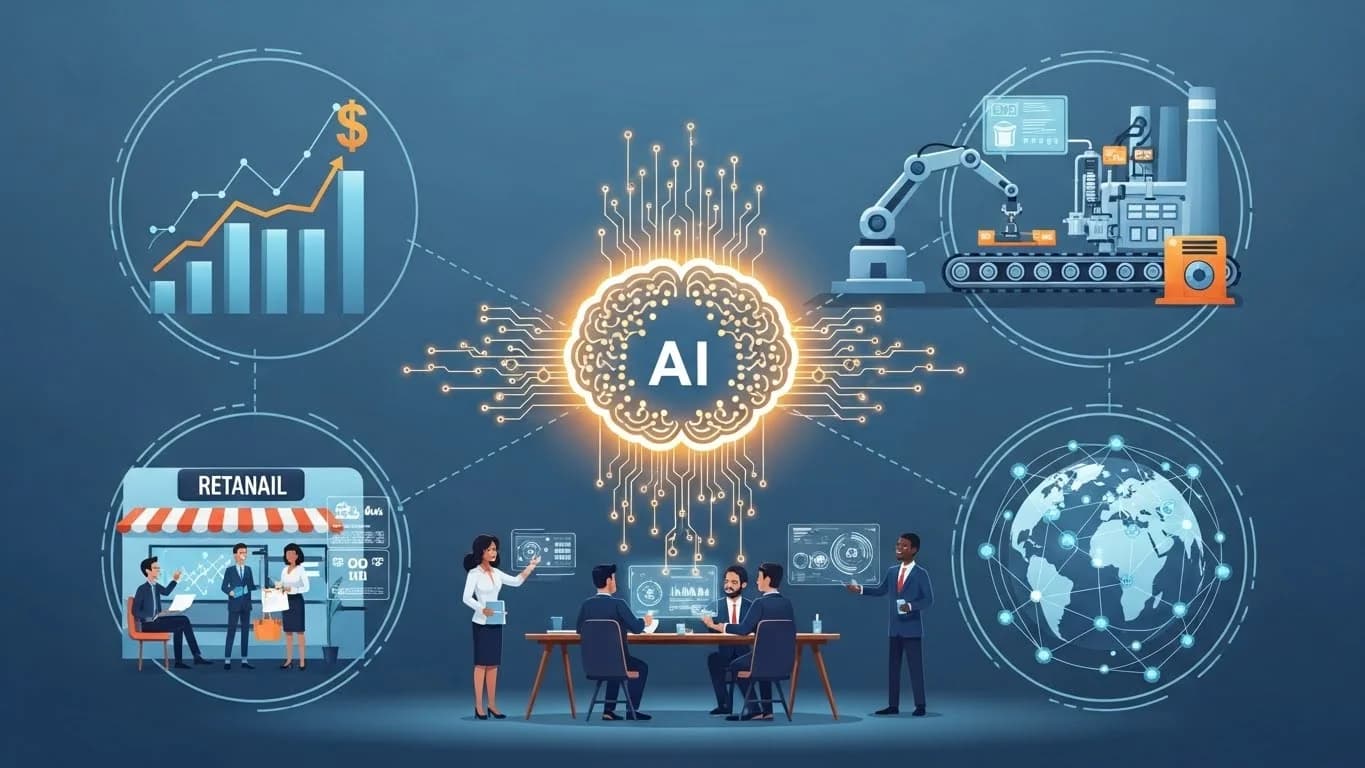
Artificial Intelligence Technologies Transforming Business
Whether you are an entrepreneur seeking a competitive advantage or a manager at a large company eager for digital transformation, the arrival of Artificial Intelligence Technologies in business is already a well-established reality. In recent years, we have witnessed a true revolution in the way organizations use this powerful technology to drive innovation, increase efficiency, and improve the customer experience.
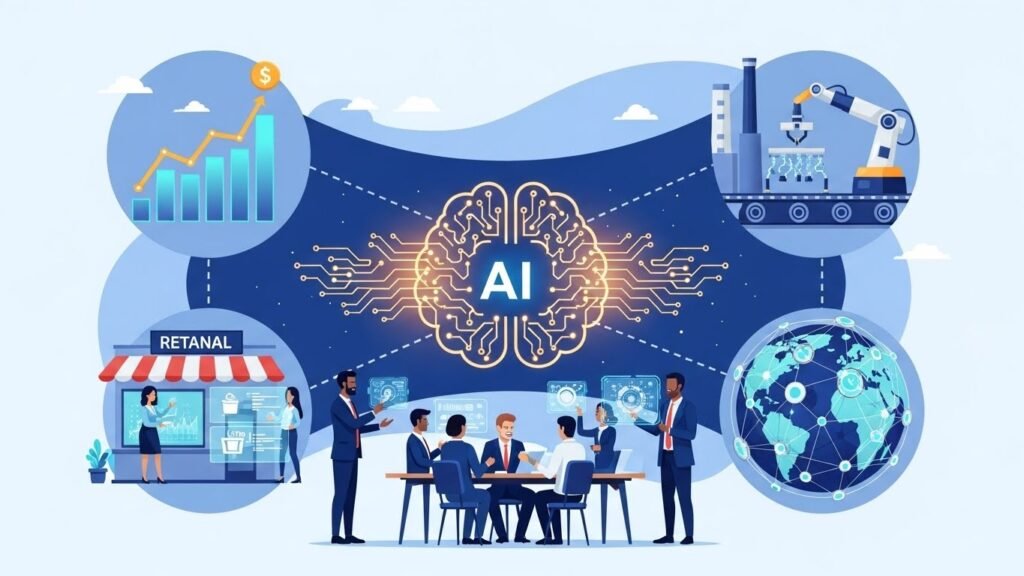
Given its ability to automate tasks, generate valuable insights, and even create new products and services, AI has established itself as an indispensable tool for business competitiveness. And this is just the beginning – experts predict that AI will continue to be a disruptive force in business in the coming years, radically transforming various sectors of the economy.
Key Applications of Artificial Intelligence Technologies in Business
Process Automation
One of the main applications of Artificial Intelligence Technologies in business is the automation of repetitive processes and routine operations. Through the use of robots and artificial intelligence systems, companies across various industries have significantly increased their efficiency and productivity, freeing employees to focus on more strategic tasks. Additionally, AI-driven automation has also enabled the reduction of operational costs, positively impacting organizational profitability.
AI-Assisted Decision Making
Another area where AI has been making a significant impact is in predictive data analysis to support strategic decision-making. Artificial intelligence systems capable of learning from large volumes of information can generate valuable insights, anticipating trends, identifying risks and opportunities, and optimizing processes. This way, managers gain access to technological advisory support that helps them make more accurate and evidence-based decisions, improving risk management and driving innovation.
Personalization and Customer Experience
AI has also been widely applied to enhance the customer experience. Chatbots and virtual assistants powered by artificial intelligence are capable of providing personalized, real-time support, understanding the needs and preferences of each individual. Furthermore, machine learning algorithms can generate personalized product and service recommendations, increasing consumer engagement and satisfaction. Even customer sentiment analysis has been automated by AI, enabling more empathetic and efficient service.
Product and Service Innovation
Finally, artificial intelligence has also proven to be a powerful tool for business innovation. Through the use of Artificial Intelligence Technologies, companies have been able to develop new products and services more quickly and with greater precision, anticipating customer needs and delivering differentiated experiences. This increased innovative capacity drives competitiveness and opens the door to new growth opportunities.
Benefits of AI Adoption in Business
By adopting artificial intelligence solutions, companies have been reaping several benefits:
- Increased productivity and operational efficiency: process automation and AI-assisted decision-making elevate organizational performance.
- Improved strategic decision-making: insights generated by AI systems support managers in identifying opportunities and mitigating risks.
- Enhanced personalization and customer experience: AI solutions enable more individualized service and a smoother customer journey.
- Competitive advantage and continuous innovation: the ability to create new products and services more quickly and accurately paves the way for market leadership.
Challenges and Considerations in AI Implementation
Although the benefits of adopting Artificial Intelligence Technologies are evident, their successful implementation faces some challenges that companies need to be prepared to address:
- Investment in AI infrastructure and talent: AI adoption requires investments in technology, data, and skilled professionals in the field.
- Ethical and data privacy concerns: it is essential to ensure transparency, security, and responsible use of data by AI systems.
- Integrating AI with existing systems and processes: AI implementation must be aligned with the organizational strategy and culture to deliver effective results.
- Cultural change and managing resistance to new technology adoption: the transition to an AI-enabled company requires awareness-building and employee engagement efforts.
Conclusion
Given this landscape, it is clear that artificial intelligence has established itself as an essential technology for digital transformation and business innovation. By automating processes, generating valuable insights, personalizing the customer experience, and driving the creation of new products and services, AI has become an indispensable ally for organizations seeking to remain competitive and relevant in the market.
Therefore, for companies that wish to harness the full potential of Artificial Intelligence Technologies and secure their prominent position in the future, it is essential to invest in building a solid technological infrastructure, upskill their talent, adopt an ethical and responsible approach to data use, and promote a cultural shift that embraces the adoption of new technologies. Only then will they be able to reap the rewards of this digital revolution and prepare for the next chapters of AI-driven business transformation.
Want your business to generate sales and traffic? Get in Touch With Us! And take your business to the next LEVEL!
To deepen your knowledge, also check out: