

How AI and Automation Transform Real Businesses
The business world is undergoing an unprecedented digital transformation, driven by the growing adoption of technologies such as Artificial Intelligence (AI) and automation. These powerful tools have the potential to revolutionize the way companies operate, increasing efficiency, improving decision-making, and delivering exceptional value to customers.

In this article, we will explore how AI and automation are impacting real businesses, from customer service to the supply chain. We will also discuss the benefits and challenges of this transformation, and how companies can make the most of these technologies to gain a competitive edge.
The Impact of Artificial Intelligence on Business
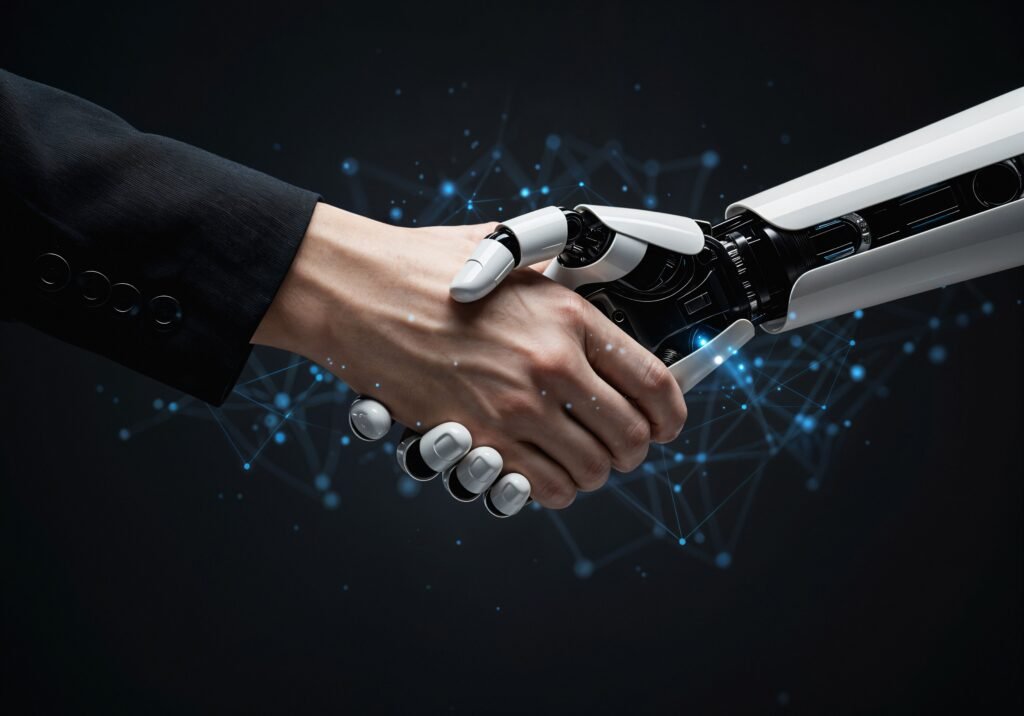
Artificial Intelligence is becoming increasingly ubiquitous in the corporate world, automating repetitive tasks and freeing employees to focus on higher-value activities. Through advanced algorithms, AI can process and analyze large volumes of data, identifying valuable patterns and insights that can inform strategic decision-making.
More Efficient Customer Service
One of the primary uses of AI in business is customer service. AI-powered chatbots and virtual assistants can provide instant, personalized support to customers, answering common questions, directing them to the right resources, and even resolving simple issues. This not only improves the customer experience but also frees up human agents to handle more complex matters.
Data Analysis and Decision-Making
AI is also revolutionizing how companies analyze and use their data. Machine learning models can detect trends, forecast demand, and identify opportunities that would go unnoticed by traditional human analysis. This ability to process and interpret data at scale helps leaders make more informed decisions and drive business growth.
Success Stories: Leading Companies Adopting AI
Several industry-leading companies are already reaping the benefits of AI adoption. Walmart, for example, uses AI algorithms to optimize its supply chain, reducing costs and improving product availability. Mastercard, meanwhile, employs AI to detect transaction fraud, protecting its customers and reducing losses.
The Benefits of Automation in Business
Beyond AI, automation has also been a major catalyst for business transformation. By automating repetitive and routine tasks, companies can reduce costs, minimize errors, and free their employees to focus on more strategic and creative activities.
Increased Efficiency and Scalability
Automating processes such as accounting, human resources, and logistics enables companies to be more consistent and scalable in their operations. By eliminating the need for manual intervention, these automated systems ensure the precise and timely execution of tasks, increasing overall business productivity.
Freeing Employees for Higher-Value Tasks
By automating routine activities, companies can redeploy their human resources to roles that require higher cognitive skills and strategic thinking. This not only increases employee satisfaction, as they can focus on more challenging and rewarding tasks, but also drives innovation and organizational competitiveness.
Examples of Automated Processes
Automation can be applied to a wide range of business processes, from automatic financial report generation to logistics delivery scheduling. Some commonly automated areas include accounting, human resources, inventory management, and even the initial screening of job applicants.
Challenges and Considerations in Adopting AI and Automation
While the benefits of adopting AI and automation are significant, there are also some important challenges and considerations that companies must take into account.
Data Security and Privacy Concerns
As companies increasingly rely on automated and AI-based systems, data security and privacy become a critical concern. Organizations must invest in robust cybersecurity technologies and implement strict data governance policies to protect confidential information and prevent breaches.
Resistance to Change and Employee Training
Adopting new technologies is not always a straightforward process. Many employees may feel threatened by automation and fear for the future of their jobs. It is essential that companies take a strategic approach, involving employees in the transformation process and investing in training programs to ensure a smooth transition and successful adoption of these technologies.
Balancing Automation and Human Involvement
While automation and AI can generate enormous efficiency gains, it is important to maintain a balance between technology and human involvement. Some tasks and customer interactions still require the empathy and expertise of employees. Companies must find the right balance between automation and human interaction to maximize the benefits of these technologies.
Conclusion
The adoption of Artificial Intelligence and automation is profoundly transforming the business landscape, driving operational efficiency, innovation, and value delivery to customers. As more companies embrace these disruptive technologies, those that know how to leverage their benefits strategically and responsibly will be well positioned to stand out in an increasingly competitive market.
So, if you want your business to stay relevant and competitive, it is essential that you explore the possibilities offered by AI and automation. Don’t be afraid to embark on this digital transformation journey – with the right help, you can take your business to new heights of success.
Want your business to generate more sales and traffic? Get in touch with us! And take your business to the next LEVEL!
To deepen your knowledge, also check out: