

Impact of Innovative Technology Trends on Business Infrastructure in 2026
Have you ever wondered how technological innovations will impact business infrastructure in 2026? The digital transformations we are witnessing today are just the beginning of a revolution that will completely reshape the way companies operate and stay competitive.
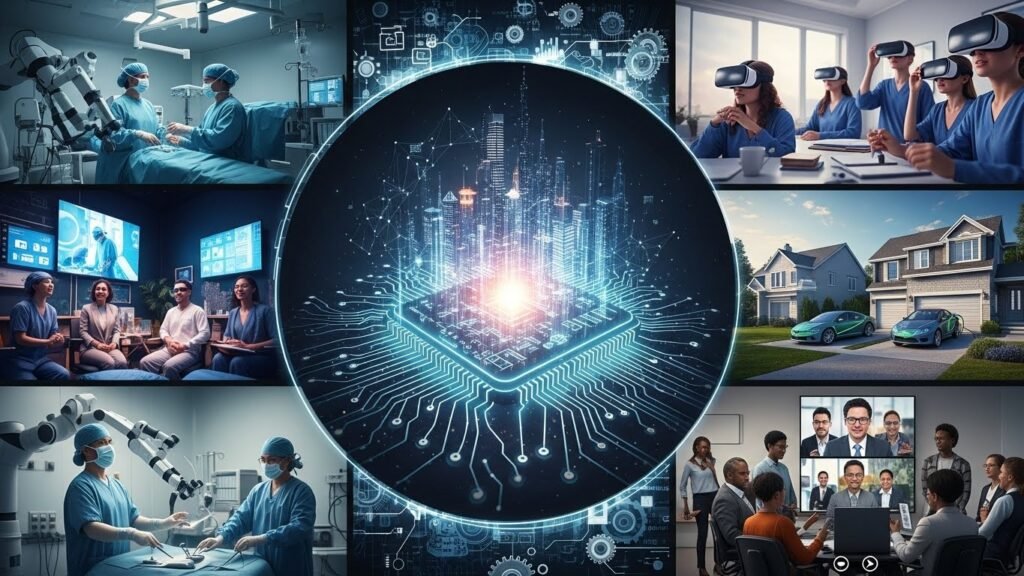
In this article, we will explore the key technology trends reshaping business infrastructure, highlighting how your organization can prepare to make the most of these innovations in the years ahead. Join us on this journey into the future!
Technology Innovations Driving Business Infrastructure
Three technology trends stand out as true pillars of the digital transformation that will shape business infrastructure in the coming years: cloud computing and virtualization, the advancement of 5G and the Internet of Things (IoT), and artificial intelligence and process automation.
Cloud Computing and Virtualization
Cloud computing continues to evolve rapidly, offering businesses a more flexible, scalable, and cost-efficient infrastructure. With public, private, and hybrid cloud solutions, organizations can leverage the benefits of virtualization, such as greater operational agility, remote access, and centralized resource management.
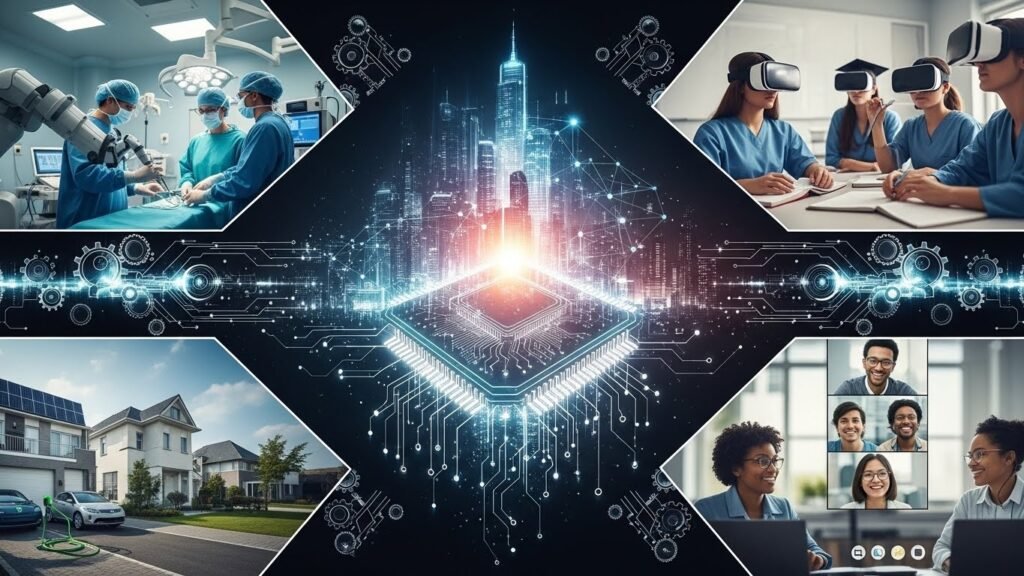
This trend is further strengthened by advances from cloud providers, which offer increasingly robust and customized services to meet the specific needs of each business.
5G and the Internet of Things (IoT)
5G, the fifth generation of mobile networks, is revolutionizing the way companies connect and collect data. This high-speed, low-latency technology enables the proliferation of IoT devices on an unprecedented scale, making it possible to monitor and optimize processes in real time.
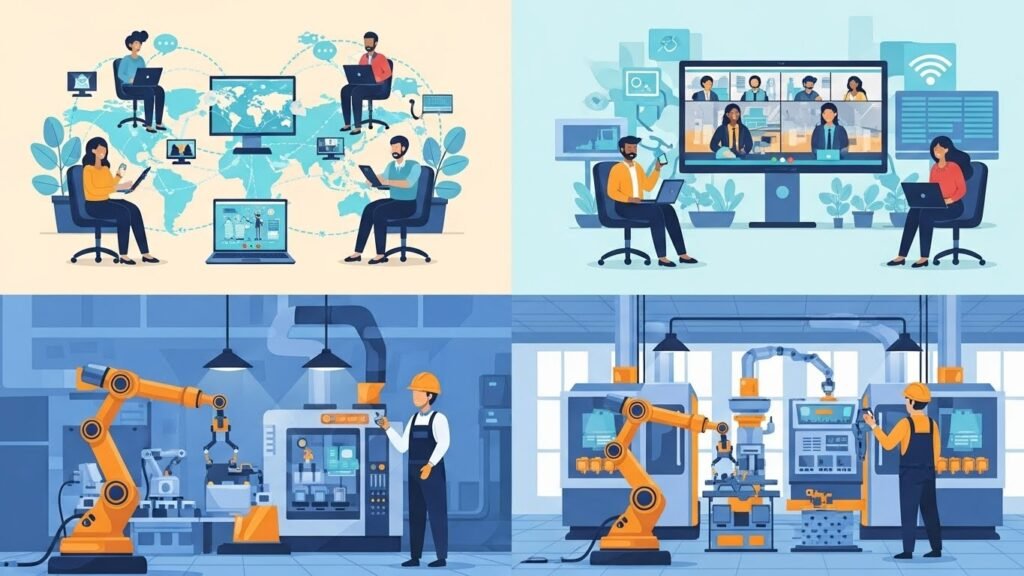
By integrating IoT sensors into machines, equipment, and even products, organizations can gain valuable insights for making more informed decisions and automating repetitive tasks.
Artificial Intelligence and Process Automation
Artificial intelligence (AI) and process automation are becoming essential components of business infrastructure. AI applications such as machine learning and natural language processing enable large-scale data analysis, trend forecasting, and faster, more accurate decision-making.

Additionally, AI-driven process automation is transforming the way companies handle administrative, logistics, and production tasks, boosting efficiency and reducing errors.
The Impact on Business Infrastructure
These technology trends have a profound impact on business infrastructure, requiring organizations to adapt and invest in modern, scalable solutions.
Greater Flexibility and Operational Agility
Adopting cloud solutions and integrating technologies like IoT and AI allows companies to be more agile and responsive to market changes. With cloud-based infrastructure, organizations can scale resources quickly and efficiently, allocating computing and storage capacity on demand.
Moreover, AI-driven process automation reduces the response time to operational challenges, allowing teams to focus on strategic tasks.
The Need for More Robust and Scalable Infrastructure
As companies adopt advanced technology solutions, the demand for more robust and scalable IT infrastructure grows exponentially. Efficient management of large-scale data, system integration, and maintaining cybersecurity become increasingly complex challenges.
Investments in modern data centers, highly available cloud platforms, and high-performance storage solutions become essential to support the operational and data analytics needs of organizations.
Data Security and Privacy Challenges
With the proliferation of IoT devices and the centralization of data in the cloud, security and privacy have become a critical concern for businesses. Cyber threats such as ransomware attacks and data breaches are growing increasingly sophisticated, demanding robust cybersecurity solutions and proactive risk management approaches.
Furthermore, compliance with data privacy regulations, such as LGPD, imposes additional requirements on IT infrastructure, ensuring the proper protection of confidential customer and organizational information.
Use Cases and Practical Examples
Let’s explore some use cases and real-world examples that demonstrate how companies are adapting to this new technological reality:
Adopting Cloud Solutions
Company XYZ, a consumer goods manufacturer, recently migrated its ERP, CRM, and supply chain management systems to a hybrid cloud platform. This approach allowed the company to reduce infrastructure costs, increase operational flexibility, and improve collaboration among teams spread across the country.
With cloud computing, Company XYZ can quickly scale its processing and storage capacity according to business needs, avoiding unnecessary investments in on-premises hardware.
Integrating IoT Sensors
Industry ABC, an automotive sector company, implemented a network of IoT sensors across its production lines. These devices collect real-time data on operational efficiency, energy consumption, and machine maintenance.
With this IoT infrastructure, Industry ABC can identify bottlenecks, optimize processes, and perform predictive maintenance, reducing costs and improving product quality.
Applying Artificial Intelligence
Logistics Company DEF, which operates in cargo transportation and distribution, adopted AI solutions to automate and optimize its operations. Using machine learning algorithms, the company can predict service demand, plan more efficient routes, and automate the invoicing process.
This AI infrastructure enabled Logistics Company DEF to reduce operational costs, improve the customer experience, and become more competitive in the market.
Future Trends and Preparing for 2026
As we approach 2026, companies that invest in modern technology infrastructure and adapt to rapid digital transformations will have a significant competitive advantage.
Investing in Modern Technology Infrastructure
To prepare for the future, organizations should prioritize investments in cloud solutions, IoT, AI, and cybersecurity. This includes modernizing data centers, adopting scalable cloud platforms, and integrating monitoring and data analytics tools.
Additionally, adopting DevOps practices and implementing microservices architectures can help companies become more agile and responsive to change.
Developing Technology Skills and Competencies
Preparing and upskilling the workforce is essential for successful digital transformation. Companies should invest in training and skills development programs in areas such as cloud computing, IoT, AI, cybersecurity, and data analytics.
By developing a highly skilled workforce familiar with the latest technologies, organizations will be better positioned to fully leverage the benefits of innovation and tackle the challenges of future business infrastructure.
The Importance of Digital Transformation and Continuous Innovation
Finally, it is essential for companies to adopt a mindset of digital transformation and continuous innovation. This approach involves building an organizational culture that values experimentation, adaptability, and the pursuit of disruptive solutions.
By embracing technological innovation as a strategic pillar, organizations will be better prepared to face future challenges and seize the opportunities that arise in the market.
Conclusion
Technological innovations will profoundly shape business infrastructure in the coming years. With trends such as cloud computing, 5G, IoT, and artificial intelligence, organizations will have the opportunity to become more agile, efficient, and competitive.
However, this digital transformation process also brings challenges, including the need for more robust and scalable infrastructure, as well as effective cybersecurity solutions. Companies that invest in these areas and cultivate a culture of innovation will be ahead of the competition and ready for the future.
Want your business to generate sales and traffic? Contact us! And take your business to the next LEVEL!
To deepen your knowledge, also check out: