

What Are PWAs and When to Use Them in Your Strategy
Have you heard of Progressive Web Apps (PWAs)? These web applications that behave like native apps are revolutionizing the digital world, offering a unique experience to their users. Imagine being able to access your favorite application directly from the browser, with the same speed and fluidity of an app installed on your phone. That’s the magic of PWAs!
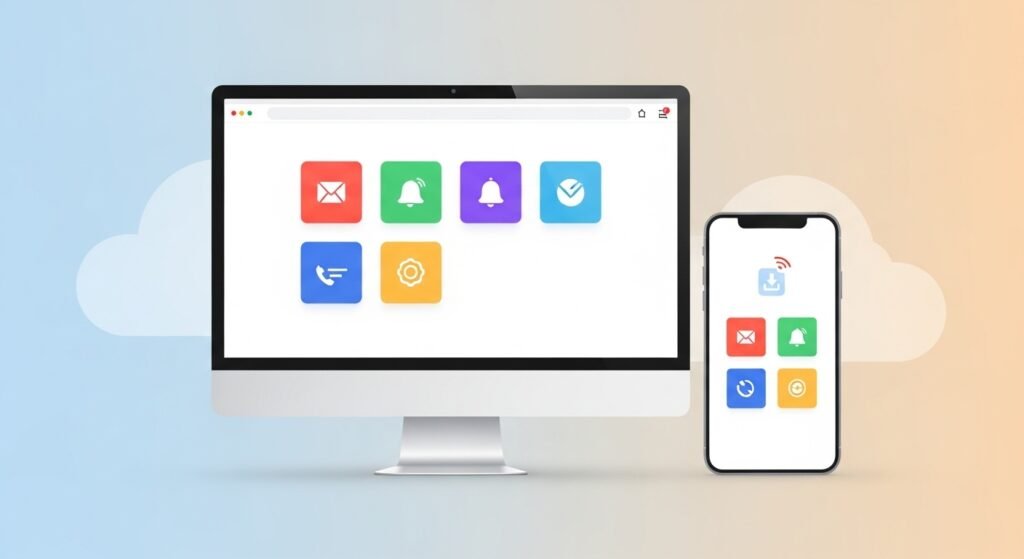
In this article, we’ll dive into the world of Progressive Web Apps, exploring their key features, the benefits they bring to your business, and how you can adopt them in your digital strategy. Get ready to discover how PWAs can boost engagement, conversion, and customer loyalty.
What Are Progressive Web Apps (PWAs)?

Progressive Web Apps are web applications that combine the best of the web with native app capabilities. They are designed to deliver a smooth and responsive user experience, regardless of the device or network being used.
Key Features
PWAs have some fundamental characteristics that set them apart from traditional websites and apps:
- Native-like experience: PWAs behave like native apps, with a similar user interface and advanced features such as offline access, push notifications, and home screen installation.
- Offline access: Thanks to service workers, PWAs can cache the necessary resources, allowing users to access content even without an internet connection.
- Automatic updates: PWAs update automatically, ensuring users always have access to the latest version of the application.
- Home screen installation: Users can add a PWA to their device’s home screen, making access and interaction easier, just like a native app.
- Push notifications: PWAs can send push notifications, allowing you to keep your users engaged and informed about news and offers.
Benefits
Beyond their unique features, Progressive Web Apps offer numerous benefits for both users and businesses:
- Higher user engagement: The seamless experience and easy access provide a more immersive interaction, increasing usage time and customer loyalty.
- Better performance and speed: PWAs load much faster than traditional websites, delivering a swift and responsive browsing experience.
- Greater reach and accessibility: PWAs can be accessed from any device and browser, expanding your target audience.
- Resource efficiency: PWAs require less storage space and data consumption, benefiting both users and developers.
- Easier development and maintenance: PWAs are built with standard web technologies, making development and updates simpler and more cost-effective.
When to Use Them in Your Strategy?
Now that you know the key features and benefits of PWAs, it’s time to understand in which scenarios they shine and when you should consider adopting them in your digital strategy.
Ideal Scenarios for Adoption
PWAs are especially recommended for companies that fit certain profiles:
- Applications with dynamic content and frequent updates: PWAs are ideal for apps with content that needs regular updating, as they allow users to access the latest versions without downloading updates.
- Mobile-focused businesses: Since PWAs offer an optimized mobile experience, they are a great option for companies that rely on mobile as their primary access platform.
- Businesses that need to offer offline experiences: If your business needs to ensure content access even when users aren’t connected to the internet, PWAs are the perfect solution.
- Startups and small businesses with limited resources: PWAs are a more affordable and cost-effective alternative compared to native app development, making them an excellent option for businesses on a tight budget.
Success Stories

Several companies across different industries have already successfully adopted Progressive Web Apps in their digital strategies. Some notable case studies include:
- Twitter Lite: Twitter’s lightweight version, built as a PWA, achieved a 65% increase in page views and 75% more tweets sent.
- Lancôme: The cosmetics brand Lancôme implemented a PWA that resulted in a 17% improvement in conversion rate and 53% more returning visitors.
- Alibaba: E-commerce giant Alibaba launched its PWA and saw a 76% increase in average session time and 14% more conversions.
Implementation
Now that you know what PWAs are and when to use them, it’s time to understand how to put them into practice. Let’s explore the key steps for implementing a Progressive Web App:
Steps for Building
- Service worker setup: The service worker is the heart of a PWA, responsible for managing resource caching and enabling offline access.
- Resource caching implementation: PWAs cache the main application resources (HTML, CSS, JavaScript, images, etc.) to ensure fast loading and offline availability.
- Using modern APIs: PWAs leverage modern web APIs, such as Push Notifications, Geolocation, and Camera, to deliver an advanced user experience.
- Optimization for performance and accessibility: It’s essential that the PWA is optimized for fast loading, responsiveness, and accessibility, ensuring a great experience across various devices and browsers.
Popular Tools and Frameworks
To streamline development, there are several tools and frameworks available, such as:
- React: The popular JavaScript framework, with libraries like Create React App and Next.js, which offer native support for building PWAs.
- Angular: Google’s framework also has built-in features for PWA development, such as Angular Service Worker.
- Vue.js: Vue.js, with its ecosystem of tools like Nuxt.js, is also an excellent option for PWA development.
- Workbox: The Workbox library, maintained by Google, simplifies service worker implementation and PWA creation.
Conclusion
Progressive Web Apps represent a revolution in the digital world, combining the best of the web with the benefits of native apps. They offer an engaging, fast, and accessible user experience, boosting engagement, conversion, and customer loyalty.
By adopting a PWA, your company will have the opportunity to stand out in the market, offering your customers a seamless and personalized interaction, regardless of the device or network used. Additionally, developing and maintaining a PWA is simpler and more cost-effective compared to native apps.
Want your business to generate more sales and traffic? Get in touch with us and take your business to the next level!
To deepen your knowledge, also check out: